Sun Damage on Yachts and Boats: How to Protect Gelcoat, Sails, Tenders and Interiors in the Mediterranean
The Mediterranean sun is one of the main causes of wear and tear on yachts, sailing boats and tender boats. Prolonged exposure to UV rays damages gelcoat, sails, tenders, technical fabrics and interiors, accelerating material degradation and reducing the value of the vessel.
For boat owners who sail frequently or leave their yacht in the marina for long periods of time, UV protection is not a minor detail but an essential part of marine maintenance. In areas such as the Mediterranean, where sun intensity remains high for many months of the year, UV degradation can become rapid and costly.
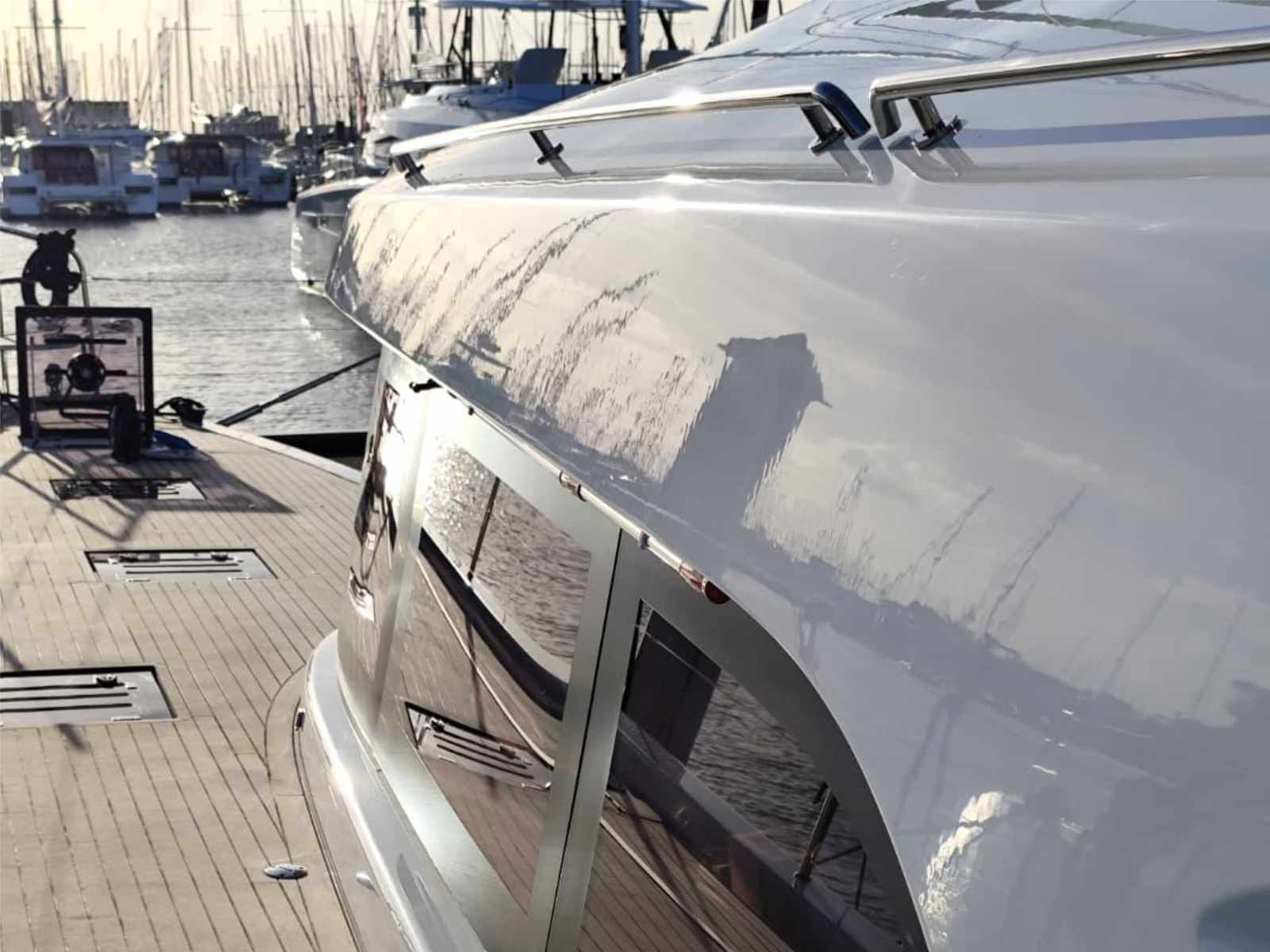
Why UV Rays Damage Yachts and Boats
Ultraviolet rays alter the structure of materials at a molecular level. Over time, they cause color fading, loss of gloss, dryness, brittleness and micro-cracking. This affects many marine surfaces, both exterior and interior.
Sun damage on a boat accumulates gradually, often without immediate visible signs. When deterioration becomes noticeable, the surface may have already lost much of its protective and aesthetic performance.
Sun Damage on Gelcoat
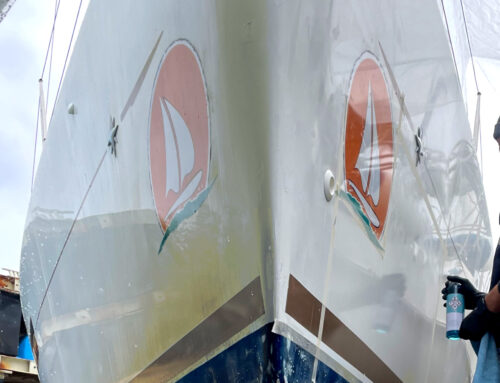
Gelcoat is one of the first surfaces to show signs of UV exposure. Its shine gradually decreases, the finish becomes dull and oxidation processes may appear.
The most common symptoms include:
- Color fading
- Loss of gloss
- Surface oxidation
- Micro-cracks and signs of wear
- Increased difficulty in cleaning
When gelcoat becomes heavily degraded, more invasive treatments may be required, such as deep polishing or professional restoration procedures. However, this is not only a costly maintenance procedure but also counterproductive, as it strips away top layer of the gelcoat.
Effects of Sun Exposure on Sails and Technical Fabrics
Sails and technical fabrics are highly exposed to UV degradation, especially when they remain rigged or poorly protected during the season. Sunlight weakens fibres and reduces the lifespan of the materials.
The most common consequences include:
- Color fading
- Fabric stiffening
- Loss of mechanical strength
- Increased risk of tears and material failure
Bimini tops, sprayhoods and boat covers are affected by the same type of deterioration, with a direct impact on both appearance and functionality.
Sun Damage on Tenders and Inflatable Boats
Tenders and inflatable boats made from PVC or Hypalon are particularly vulnerable to continuous sun exposure. UV rays make these materials harder, less flexible and more prone to cracks and deformation.
Common problems include:
- Loss of flexibility
- Hardening of surfaces
- Micro-cracks on tubes and seams
- Degradation of seals and external components
- Dull and aged appearance
A tender left exposed without protection will deteriorate much faster compared to one treated with specific UV protection products.
Sun Damage to Boat Interiors
Sun exposure also affects boat interiors, especially when sunlight enters through windows, hatches and deck openings. Leather, fabrics, wood finishes and plastics can fade, dry out and lose their premium appearance over time.
The most sensitive areas include:
- Cushions and upholstery
- Natural or synthetic leather
- Plastics and technical surfaces
- Helm and dashboard components exposed to direct sunlight
Protecting boat interiors from UV rays is essential to preserve comfort, aesthetics and the premium value of the vessel.
How to Protect a Boat from Sun Damage: The Seals Solution
UV protection is a critical part of regular boat maintenance, especially during the summer. While standard prevention involves protective covers, regular washing, and shading interiors, achieving long-lasting defense across different materials is notoriously difficult. Most marine surfaces, including rigid gelcoat, flexible sails, leathers, and inflatable tenders, require unique protective approaches. Traditional ceramic nanocoatings fail on flexible materials because they lack the necessary elasticity, causing them to crack, peel, or stiffen the fabric.
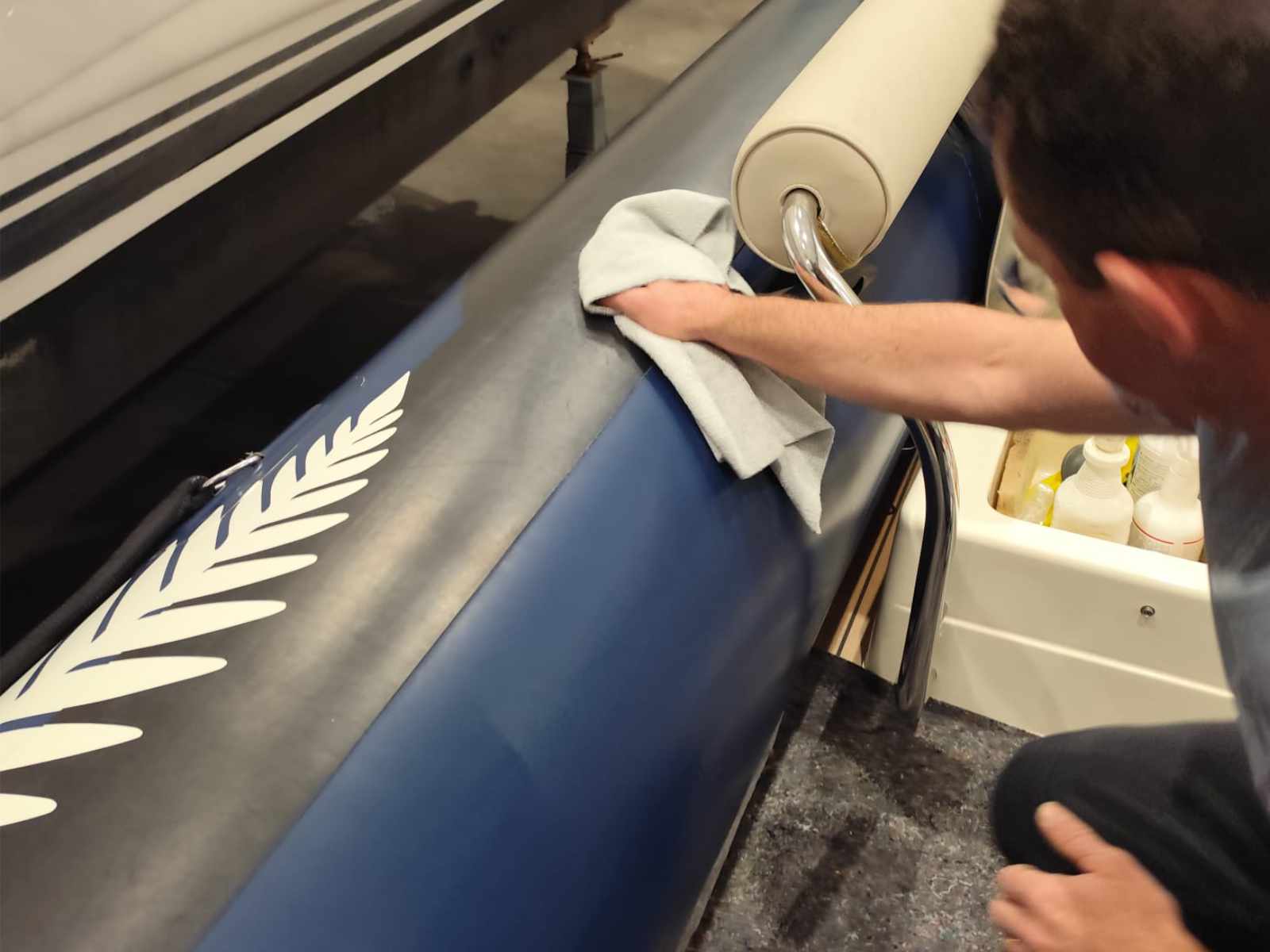
Seals Nanodiamond Protection solves this industry-wide challenge. Developed using advanced aerospace technology, the Seals formula delivers high-resistance UV and salt protection without altering a material’s appearance, texture, or performance. To provide targeted care, the lineup is split into two specialized formulas: • Luxint: Engineered exclusively to shield and preserve delicate boat interior surfaces. • Flexix: Formulated for technical fabrics, sails, and PVC or Hypalon tenders, offering maximum UV defense while maintaining total material flexibility.
Why Acting Early Matters
Sun damage on yachts and boats does not stop on its own. The longer protection is postponed, the higher the costs of restoration and replacement become. An oxidised gelcoat, weakened sail or cracked tender may require significantly more expensive interventions compared to preventive protection.
Investing in UV protection means reducing unexpected maintenance costs, preserving the value of the vessel and maintaining its appearance over time.
Conclusion
In the Mediterranean, the sun is a great ally for boating but also one of the biggest enemies of yacht and boat preservation. Gelcoat, sails, tenders and interiors must be properly protected to prevent both aesthetic and structural damage.
To achieve long-lasting results, the best approach combines regular maintenance, physical protection and professional treatments. In this context, Seals Nanodiamond Protection, together with dedicated products such as Flexix and Luxint, provides an effective solution for protecting the most exposed marine surfaces.